Sauna Hydration: How Much Water You Lose and How to Replace It
Sauna Assistant App
Let the cool-down cue remind you to drink
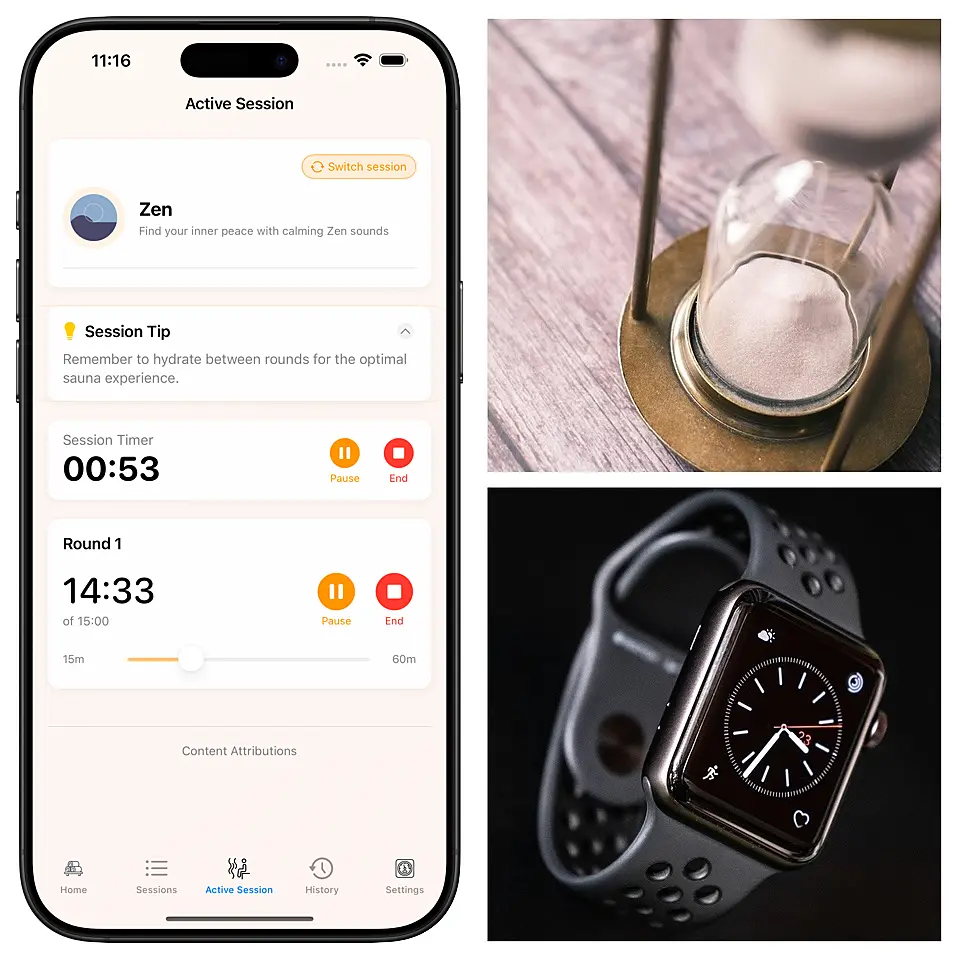
Sauna Assistant guides each round and break, so water fits into the session without watching a clock.

Pay once. No subscription.
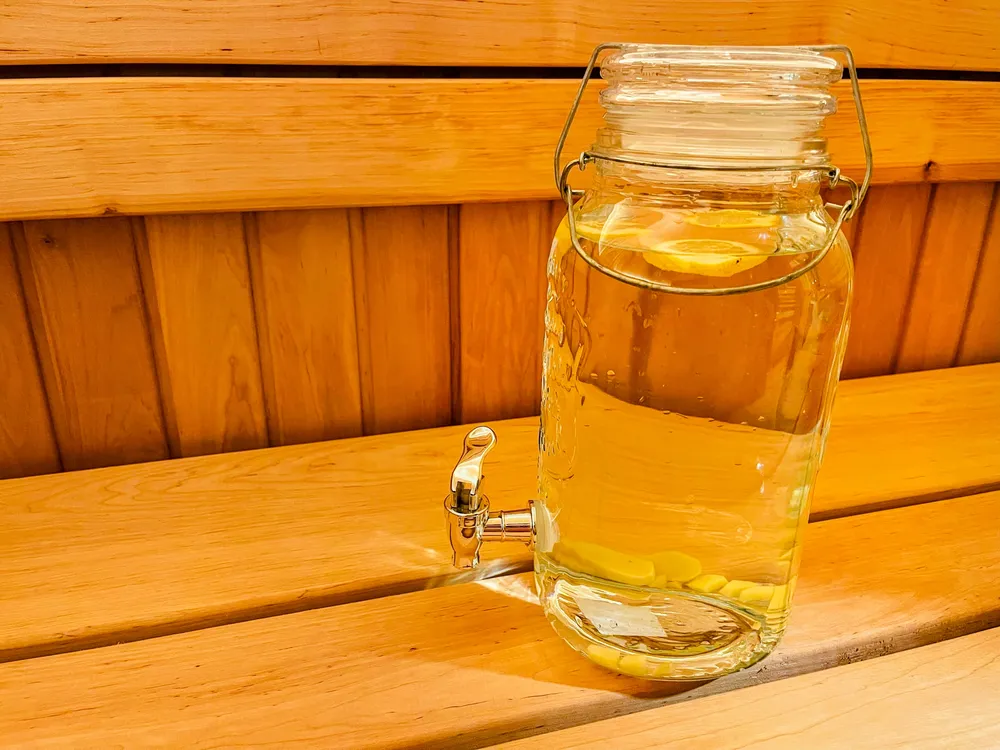
In a typical sauna session you lose about 0.5 kg (1 lb) of water through sweat, roughly half a litre. Drink a glass of water before you go in, sip between rounds, and drink again afterwards. If you sauna often or for long sessions, replace salts as well as water.
In This Guide
- Why Hydration Matters in Saunas
- How Much Water Weight Can You Lose?
- Does Sauna Help With Water Retention?
- Preventing Sauna Headaches
- Best Way to Restore Electrolytes
- Smart Sauna Hydration Habits
- When to Be Cautious
- Frequently Asked Questions
Why Hydration Matters in Saunas
Sweating is how your body sheds heat in the sauna, and every drop comes from the water you have on board. Start a session already low on fluids and your body has less to cool itself with. Dehydration shows up as dizziness, nausea, a headache or a racing heartbeat. Any of those is a signal to leave the sauna, cool down and drink.
How Much Water Weight Can You Lose in a Sauna?
In a typical sauna session, you can lose approximately 0.5 kg (~1 pound) of water weight through sweating. This varies based on:
- Your body composition (more muscle mass = more sweat)
- Session length
- Sauna temperature and humidity levels
- Your personal sweat rate
This weight loss, however, is temporary water weight-not fat-and will return once you rehydrate properly.
Does Sauna Help with Water Retention?
Saunas can temporarily reduce water retention through increased sweating, but the effect is short-term. For those dealing with water retention:
- The heat widens blood vessels near the skin
- Sweating removes fluid for a while
- After rehydrating, your body’s normal balance returns
However, saunas aren’t a long-term solution for ongoing water retention problems, which often require addressing underlying causes.
This matters most for people with kidney or heart problems. Healthy people rarely need to worry about this.
Preventing Sauna Headaches
Getting post sauna headaches? They’re often from dehydration - though poor ventilation and CO₂ buildup can be an equally common culprit. To avoid them:
- Drink plenty of water before your sauna session
- Keep water nearby during your sauna session. Plain water works best. It can also be useful to have one with some electrolytes (see below).
- Room-temperature or cool water is often easier to sip in the heat than ice-cold
- Avoid alcohol before and during sauna use as it causes rapid dehydration
- Start with shorter sessions as your body adapts
When you sweat in a sauna, you’re not just losing water-you’re losing essential minerals that keep your body functioning properly:
- Potassium: Supports heart rhythm and muscle function
- Magnesium: Critical for muscle relaxation and energy production
- Calcium: Necessary for muscle contraction and nerve signaling
- Sodium and Chloride: Maintain fluid balance and support nerve function
This is especially important for those having an active life and enjoying sauna quite often. While you might not notice any difference at first, having multiple sauna days will take its toll. Don’t wait that long.
Best Way to Restore Electrolytes After Sauna
After a good sweat, replenishing electrolytes is crucial. Here’s how:
- Hydrate with electrolyte-rich fluids: Water with a pinch of salt or sports drinks
- Eat electrolyte-rich foods:
- Potassium: Bananas, avocados, spinach
- Magnesium: Nuts, seeds, dark chocolate
- Calcium: Dairy products, leafy greens
- Sodium: Pickled foods, broths
Drink water throughout the day and during your sauna. Save food for later if it makes you uncomfortable.
Smart Sauna Hydration Habits
For the best sauna experience:
- Bring a bottle with room-temperature water
- Take regular cooling breaks-this is when your body core temperature continues adjusting
- Use these breaks to rehydrate and let your body recover
- Save any alcoholic beverages (beer, cider, etc.) for after you’re fully cooled down and rehydrated
A hands-free timer with audible cues makes cooling breaks effortless - you won’t have to watch the clock or interrupt your relaxation. Start with the free sauna timer for simple rounds and breaks, then use the Sauna Assistant app when you want saved history, Apple Watch controls, and richer session tracking.
When to Be Cautious
While saunas offer many benefits, be extra careful with hydration if you:
- Have heart conditions
- Are pregnant
- Take medications that affect fluid balance
- Have kidney problems
This article is general information, not medical advice. If any of these apply to you, ask your doctor how much heat and how much fluid is right for you.
Listen to your body, drink before you are thirsty, and replace salts after long or frequent sessions. A sauna hat helps you stay comfortable on the top bench by keeping your head cooler.
Over time, tracking your sessions helps you learn how your body responds to different durations and temperatures. With the Sauna Assistant app, you can review your session history and gradually build up at a pace that keeps you safe and hydrated.
Considerations for Children
Children, like adults, can easily forget to drink enough water, especially when having fun. It’s the supervising adult’s responsibility to ensure they stay hydrated. For more detailed guidance, refer to Kids in Sauna: A Comprehensive Guide.
Frequently Asked Questions
How much water do you lose in a sauna?
About 0.5 kg (1 lb) in a typical session, roughly half a litre of sweat. It varies with session length, temperature, humidity and your own sweat rate. The weight comes back once you rehydrate.
How much water should I drink during a 15-minute sauna?
As a general rule, aim to drink about 16-24 ounces (500-700ml) of water before and during your session to replace the fluids you’ll lose through sweat. Listen to your body and sip as needed.
Is it safe to drink ice-cold water in the sauna?
Yes. Some people find very cold water uncomfortable in the heat, so room-temperature or cool water is often easier to sip. The best water is the one you will actually drink.
Does sauna help with water retention?
Only for a short while. Sweating removes fluid during the session, but your body restores its normal balance once you rehydrate. Ongoing water retention has other causes and is worth discussing with a doctor.
Why do I get a headache after the sauna?
The most common causes are dehydration and a stuffy, poorly ventilated room. Drink water before and between rounds, keep rounds short while you adapt, and make sure the sauna gets fresh air.