What an Aufgussmeister Actually Does: 6 Elements of a Sauna Ceremony
Sauna Assistant App
Build a guided sauna ceremony at home
Choose the rounds and soundscape, then pair them with an Apple Home scene. Sauna Assistant keeps the ceremony moving while your phone stays outside.

Pay once. No subscription.

Have you ever wondered what makes some sauna experiences feel magical while others are just hot rooms? The answer often lies in the skilled hands of a sauna master, also known as an Aufgussmeister. In German-speaking countries they run the Aufguss: a timed ceremony of heat, scent, towel work and music that turns a hot room into a shared ritual.
In This Guide
- What Does a Sauna Master Do?
- What Is an Aufgussmeister?
- What happens at an Aufguss ceremony
- German sauna terms explained
- The Six Elements of a Perfect Sauna Ceremony
- What Is a Sauna Ceremony Like?
- Sauna Rituals Around the World
- Regular Sauna vs. Sauna Ceremony
- Creating Your Own Sauna Ceremonies at Home
- Frequently asked questions
What Does a Sauna Master Do?
A sauna master is a trained professional who guides people through special sauna ceremonies called Aufguss rituals. Think of them as conductors of a wellness orchestra, bringing together heat, aromas, towel work, and atmosphere to create an unforgettable experience.
You can experience sauna ceremonies in two main ways. The most common is visiting a spa that offers Aufguss sessions. The second option is booking a private ceremony with an independent sauna master - though this varies by location.
Unlike regular sauna sessions where you simply sit in the heat, a sauna master carefully controls every element of your experience. They start by preparing the sauna room - ensuring optimal temperature and humidity, selecting aromas, and setting the ambiance. Then guide participants through a multi-part journey that gradually builds intensity. Each heating phase is followed by a cooldown session, which may include cold plunges or outdoor breaks.
What Is an Aufgussmeister?
The term “Aufgussmeister” comes from Germany, where this practice originated. “Aufguss” means “infusion” in German, referring to the process of pouring water and essential oils onto hot sauna stones. The “meister” part means “master,” showing the high level of skill required.
Good sauna masters train for it. They learn towel techniques, how to dose essential oils, and how to manage the heat safely for a full room of guests. In Germany and Austria many learn through courses run by spas and sauna associations, and the best compete at Aufguss championships, where ceremonies are judged like a performance.
What happens at an Aufguss ceremony
Here is how a typical Aufguss runs at a German or Austrian spa:
- Check the schedule. The Aufgussplan, posted near the saunas, lists each ceremony’s time, sauna and scent. Arrive a few minutes early, because the door closes when it starts.
- Find a seat. Sit or lie on your towel so no skin touches the wood. The top bench gets the most heat; the lower benches are gentler.
- The master airs the room. Fresh air is let in and the theme or scent is announced.
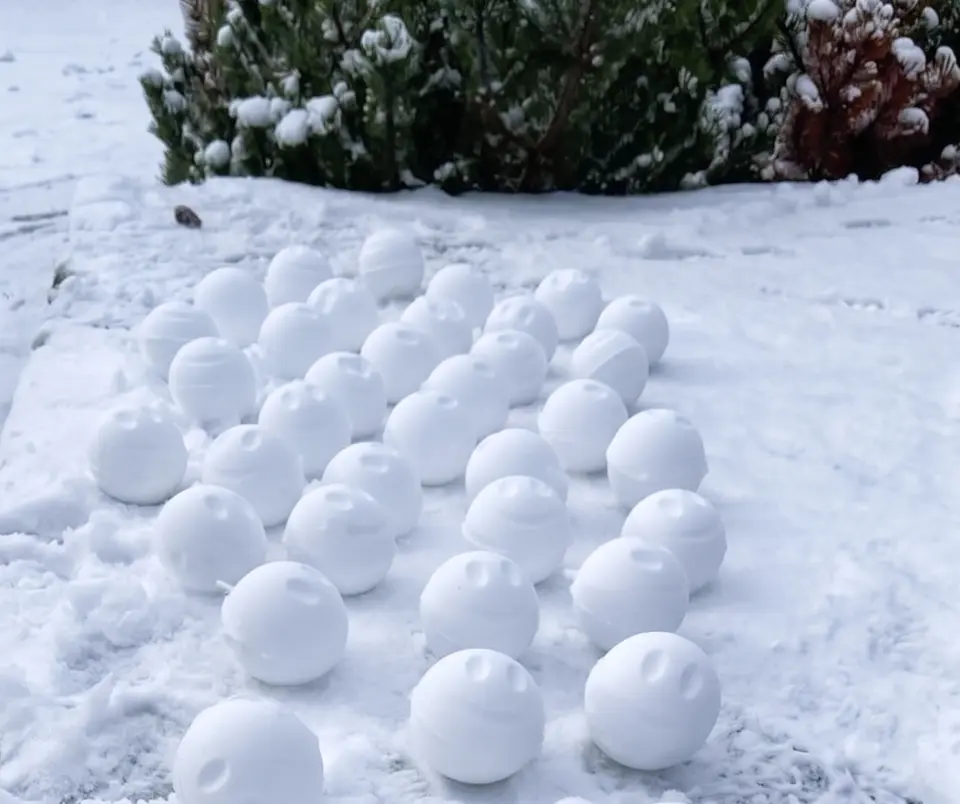
- The infusion. Water mixed with essential oil, or ice balls in an Eisaufguss, goes onto the hot stones in two or three pours. Each pour sends a wave of hot, scented steam through the room.
- Towel work. The master waves a large towel (Wedeln) to push the hot air down and around the room, often to music, and may fan each guest in turn.
- Ten to fifteen minutes later, the round ends. Guests often applaud the master before leaving.
- Cool down. Fresh air, a cold shower or the plunge pool, then rest in the relaxation room before the next sauna.
You can leave at any point if the heat becomes too much. Do it quietly and close the door behind you.
Two things surprise first-time visitors: many German saunas are textile-free, so you bring a towel rather than a swimsuit, and talking during the Aufguss is frowned upon. Our first-timer cheat sheet covers the rest of the etiquette.
German sauna terms explained
| German term | What it means |
|---|---|
| Aufguss | “Infusion”: pouring water and scent onto the stones, and the ceremony built around it |
| Aufgussmeister | The sauna master who performs the Aufguss |
| Saunameister | Also “sauna master”; often used for the staff who run the sauna area, Aufguss included |
| Aufgussplan | The posted schedule of ceremonies, times and scents |
| Saunagang | One round in the sauna, followed by cooling and rest |
| Wedeln | Waving the towel to move hot air around the room |
| Eisaufguss | An Aufguss with ice balls or crushed ice on the stones, often with menthol or citrus |
| Salzaufguss | A ceremony that includes a salt scrub on the skin between pours |
| Abkühlung | Cooling down after the round: fresh air, cold shower, plunge pool |
| Tauchbecken | The cold plunge pool |
| Ruheraum | The quiet relaxation room |
| Textilfrei | Textile-free: no swimwear in the sauna area |
In English you will also see “sauna meister”, “aufguss master” and “Aufguss ceremony”. They all mean the same thing.
The Six Elements of a Perfect Sauna Ceremony
Professional sauna masters work with six key elements:
Heat Management: They build the heat gradually through the ceremony, so the last pour is the most intense. The quality of that heat depends on the stove: well-maintained sauna stones produce the even, soft steam a ceremony relies on.
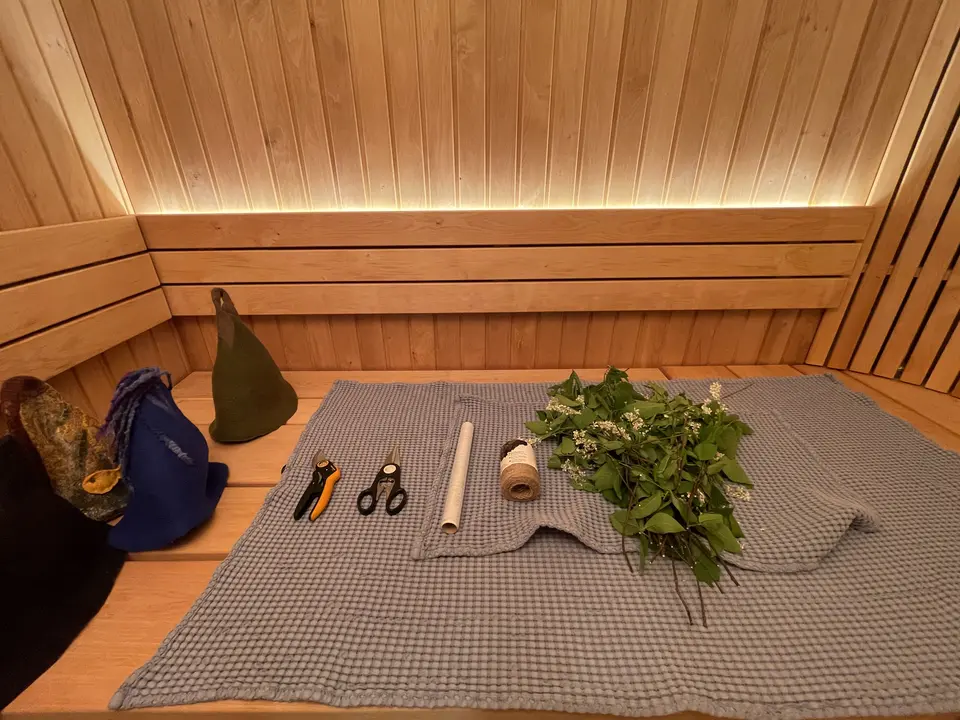
Aromatherapy: Masters create aromatherapy through various methods, including essential oil infusions and traditional sauna whisks that release natural scents. Different aromas serve different purposes - eucalyptus for energy, lavender for relaxation.
Towel Work: This is pure artistry. Masters wave large towels to distribute heat and create air currents that intensify the experience. The movements are choreographed to music and can be mesmerizing to watch.
Lighting and Ambiance: From natural light to colored illumination, lighting sets the ceremony’s mood. Dim lighting is often preferred to reduce visual stimulation and enhance relaxation.
Music: The rhythm guides the towel work and helps participants relax into the experience. This can range from calm meditation music to more intense soundscapes, depending on the ceremony’s theme.
Personal Style: Each master brings their own energy and approach to guiding guests through the ritual. This personal touch ensures that even ceremonies with similar themes can feel distinct and special.
What Is a Sauna Ceremony Like?
So what is a sauna ceremony exactly? A typical sauna ceremony contains a series of heating phases, each with a different purpose, separated by cooldown phases. The master starts by ventilating the sauna and asking participants about any allergies to essential oils.
Most ceremonies include 3-4 heating rounds:
- Round One: Gentle warm-up with light aromatherapy
- Round Two: Increased heat with active towel work
- Round Three: Peak intensity experience
- Round Four: Optional final round or extended cool-down
Between each round, participants take cooling breaks: stepping outside, a cold shower or a cold plunge. Many people find one guided 15-minute ceremony more memorable than several shorter rounds on their own. If you practice this heat-and-cold contrast at home, Sauna Assistant can track each cold plunge alongside your sauna rounds, with water temperature and heart-rate recovery, so you can see the whole ritual in one place.
Here’s an example of a citrus-themed ceremony that celebrates fruits cultivated for over 4,000 years:
- Round One (Awakening): First steam ritual with gentle full-body warming and rustling sounds
- Round Two (Purification): Salt and citrus inhalation with deep breathing, followed by orange body scrub
- Round Three (Invigoration): Traditional whisking technique for circulation
- Round Four (Tranquility): Relaxing sound therapy with soap foam treatment and gratitude meditation
Sauna Rituals Around the World
Different cultures have developed their own sauna traditions:
Germany and Austria: Home of the Aufguss ceremony with precise techniques and international competitions where masters showcase their skills.
Finland: Traditional löyly rituals focusing on steam and birch branches, often in lakeside saunas with immediate cold water access.
Eastern Europe: Banya traditions featuring oak and birch leaf bundles (called venik) and contrast therapy between extreme heat and cold.
Korea: Jjimjilbang culture combining saunas with social experiences, often including multiple temperature rooms and 24-hour access.
Baltic Region: Known for combining traditional techniques with modern wellness approaches, emphasizing the therapeutic aspects of sauna culture. In the Baltic States, sauna sessions can last 4-5 hours as friends and families gather for extended experiences that embrace communication and relaxation. The combination of whisks and aromas are particularly popular in humid saunas.
Regular Sauna vs. Sauna Ceremony: What’s the Difference?
A regular sauna session is like taking a warm bath - pleasant and relaxing. A sauna ceremony is like having a spa day designed specifically for your needs. Here’s how they differ:
Regular Sauna:
- You control your own experience
- Basic heat exposure
- Usually done alone or quietly with others
- Focus on sweating and warming up
Sauna Ceremony:
- Guided by a trained professional
- Carefully orchestrated temperature changes
- Group experience with shared energy
- Multi-sensory journey including aromas, music, and visual elements
- Often a theme or intention, such as energizing or calming
The ceremony creates a deeper, more transformative experience that many people find addictive in the best possible way.
Why Ceremonies Feel So Relaxing
Many people describe a guided ceremony as the most relaxing part of a spa day. Someone else decides the heat, the scent and the timing, so there is nothing left for you to manage. You sit, breathe and follow the master. Just remember to stay hydrated, especially during longer ceremonies.
For many people, the sauna becomes more important for mental health than physical benefits. The combination of humid heat, dim lighting, and quiet time provides space for reflection and perspective that’s hard to find elsewhere in our busy lives.
Why Do Sauna Rituals Often Include Massage?
Many spas pair sauna ceremonies with massage simply because you arrive warm and already relaxed, which makes it easier to let go on the table.
Creating Your Own Sauna Ceremonies at Home
While nothing replaces the expertise of a trained sauna master, you can create meaningful wellness rituals in your home sauna. Here’s how to get started:
Essential Elements You Can Control:
- Temperature progression through multiple rounds (e.g., start cooler, add more water/steam each round)
- Aromatherapy with essential oils or natural scents (ensure good ventilation and safe diffusion)
- Ambient lighting and music
- Structured timing for heating and cooling phases (use a timer to stay consistent)
Planning Your Home Ceremony:
Start simple with a 3-round session. Plan your aromatherapy themes, choose calming music, and set timers for each phase. Even basic ceremonies can provide significant mental and physical benefits.
For a simple home ceremony, the free sauna timer is enough to run rounds and breaks; the full Sauna Assistant app is the upgrade when you want guided themes, soundscapes, Apple Watch controls, and session history.
 A collection of essential oils commonly used in sauna ceremonies to enhance relaxation and therapeutic benefits
Technology as Your Assistant:
At a spa, much of what a sauna master gives you is that you don’t have to manage anything. They prepare the room, keep time, call the cool-down, and decide when the next round begins, so you can simply be there. At home, that job usually falls to you. The Sauna Assistant app won’t wave a towel, but it takes on the rest: its Guided Rituals carry you from warm-up through rounds, breaks, and cool-down with gentle cues, play the soundscape through your sauna’s speakers, and set the lights with Apple Home. Your iPhone stays outside the room, and the heat is the only thing left to attend to.
Whether you experience your first ceremony at a professional spa or create your own rituals at home, you’re participating in an ancient wellness tradition that continues to evolve. If a public ceremony will be your first sauna visit ever, our first-timer cheat sheet covers the etiquette basics so you can relax and follow the master’s lead. And when you’d rather have someone keep the ceremony moving in your own sauna, the Sauna Assistant app can play that part.
Frequently asked questions
What is an Aufgussmeister?
An Aufgussmeister is a sauna master who runs the Aufguss, a sauna ceremony from Germany and Austria. They pour water and essential oils onto the hot stones, wave a towel to move the heat around the room, and guide guests through rounds of heat and cooling.
What does Aufguss mean?
Aufguss is German for “infusion”. It means pouring water, usually mixed with essential oils, onto the sauna stones, and it is also the name of the ceremony built around it.
Is a sauna meister the same as an Aufgussmeister?
Mostly, yes. Both mean sauna master. Saunameister is also used for the staff who run a spa’s sauna area, while Aufgussmeister points specifically to the person performing the ceremony.
What is a sauna ceremony?
A sauna ceremony is a guided session in which a sauna master controls the heat, scent, music and towel work. A typical Aufguss lasts 10 to 15 minutes, with two or three pours on the stones, followed by cooling down and rest.
What should I know before my first Aufguss?
Arrive before it starts, because the door closes. Sit on your towel, stay quiet during the ceremony and leave whenever you need to. Many German saunas are textile-free, so bring a towel rather than a swimsuit.